

Health Blog
How Digital Transformation Reshapes Healthcare
How Digital Transformation Shapes the Future of Healthcare
Opinion Piece by: Platinum Health Medical Scheme
Healthcare organisations must undertake complete digital transformation if they want to deliver the kind of 21st-century care modern patients expect. Today’s patients demand seamless experiences, quick access to their medical records, and proactive treatments. Meeting these expectations requires a fundamental shift in how medical providers operate and manage information.
The future of healthcare depends on creating a fully interoperable ecosystem. In this new landscape, patient information is instantly available to caregivers and doctors at the point of care. This approach breaks down historical barriers, allowing for a much more coordinated and effective treatment path.
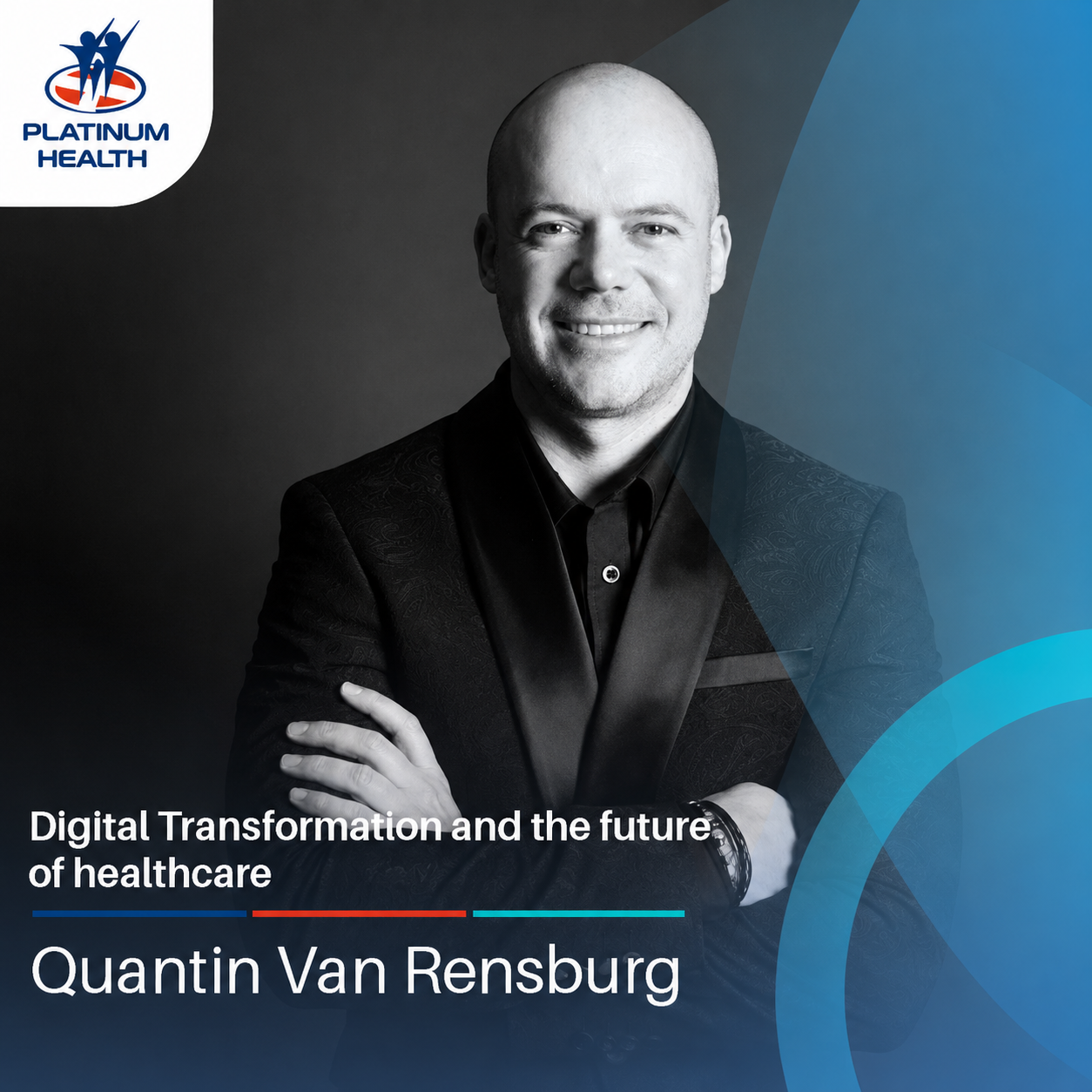
This blog post explores the vital role of digital transformation in healthcare. We will examine expert insights from Quantin van Rensburg, CIO at Platinum Health Medical Scheme, to understand how technology is reshaping patient care, driving sustainability, and establishing the foundation for tomorrow’s medical services.
How does digital transformation reshape modern healthcare?
Digital transformation is fundamentally reshaping the medical sector, shifting it to a more proactive, patient-centric, and data-driven ecosystem. Driven by a range of leading-edge technologies, this shift aims to enhance patient outcomes, improve operational efficiency, and make care significantly more accessible.
It is vital for healthcare businesses to undertake digitisation, according to Quantin van Rensburg. This is particularly true as the entire industry evolves toward a heavily interconnected digital framework.
“Patient information, care and treatment paths are not coordinated with a clear objective in mind. Digital transformation in healthcare is critical, as it aims to break down the barriers that historically existed by digitally transforming the care provided to patients,” explains van Rensburg. “This should create a fully interoperable eco-system, where patient information is available to caregivers and healthcare providers at the point of care.”
Furthermore, digital innovation in the medical sector is rapidly becoming critical for the financial sustainability of any medical scheme in South Africa. Providers must embrace digital innovation to address inefficiencies, eliminate wastage, and manage rising cost drivers. This proactive approach helps ensure that funding costs for beneficiaries remain strictly aligned with the healthcare outcomes patients expect and deserve.
Van Rensburg notes that many misconceptions remain about healthcare digitisation. The most crucial error is the failure to realise that digitisation is an ongoing journey, rather than a once-off exercise.
“It must always be remembered that the objective behind implementing technologies needs to be made clear up front, with key milestones and tangible measurables,” he continues. “As technology evolves, so must the organisation’s journey follow into the next technological and digital frontier.”
How does Platinum Health embrace digitisation in healthcare?
“Understanding this, Platinum Health embraces technology and the benefits of digital transformation, ensuring we remain a cost leader in the industry,” says van Rensburg.
“Digitisation further ensures we can continue to provide comprehensive benefits to our members and beneficiaries and, through sophisticated population health management interventions, provide world-class healthcare.”
As a closed medical scheme for mining professionals and their dependents, Platinum Health demonstrates how targeted technological investments directly benefit members.
Cybersecurity
While there are numerous emerging technologies on the radars of medical schemes, healthcare remains one of the largest industries targeted by cybercrime.
This makes it clear that robust cybersecurity and secure data exchange between systems will remain top priorities.
Medical schemes need to constantly update their cybersecurity protocols and stay focused on effective cyber defence. This constant vigilance is necessary to stay ahead of bad actors who target sensitive patient data for nefarious purposes.
“Apart from security, data interoperability is high on the agenda, as healthcare becomes more digital,” van Rensburg states. Protecting patient data while ensuring it flows freely to authorised medical professionals is the delicate balance that modern systems must achieve.
Challenges of implementing digital technologies
“Of course, there are still challenges to overcome when implementing digital transformation in healthcare,” van Rensburg acknowledges.
Moving from legacy systems to modern digital platforms is rarely a frictionless process. Digital transformation is a profound culture shift within an organisation. It requires a leadership approach that actively promotes and embraces change, while encouraging staff to adopt entirely new ways of working.
How can big data improve predictive healthcare?
Organisational emphasis must remain heavily on the importance of generating accurate data. This data acts as a primary enabler of strategic initiatives and new clinical strategies.
Lastly, organisations must possess the underlying infrastructure to manage massive volumes of information. When handled correctly, this ‘Big Data’ can then be transformed into actionable insights and better predictive healthcare, ultimately leading to earlier interventions and improved patient recovery rates.
Taking the First Steps Toward a Digital Healthcare Ecosystem
Offering advice to healthcare organisations that are starting their own digital change journey, van Rensburg points to a specific publication. He recommends Outside In: The Power of Putting Customers at the Centre of Your Business, by Harley Manning.
This book suggests that businesses should start by observing their organisation entirely from the customer’s perspective. In healthcare terms, this means viewing the system through the eyes of the member or patient.
“This helps you to highlight the areas of friction where costs could be reduced, improvements could be made in member engagement, and quality care can be provided on a frequent basis,” advises van Rensburg. “These themes will inform the digital and technology requirements needed to achieve these improvements, such as omni-channel platforms or electronic healthcare records.”
As for Platinum Health, which has already embraced its digital journey, van Rensburg indicates that the company will continue to aggressively evolve in the digital space.
“Platinum Health is in the process of reaping the rewards of its digital transformation journey, where data has become a trusted source for insights, population health management and improving on our members’ experiences and satisfaction,” he says.
Where can you learn more about the future of healthcare in South Africa?
Van Rensburg will expand on these critical themes when he speaks at the upcoming Digital Transformation Summit.
At this event, he will join other industry leaders to discuss exactly how digital innovation is needed to embrace impactful change.
His participation clearly highlights Platinum Health Medical Scheme’s ongoing commitment to advancing technology-driven, patient-centred care. It also solidifies their role in contributing to the broader conversation about the future of healthcare in South Africa.