

Health Blog
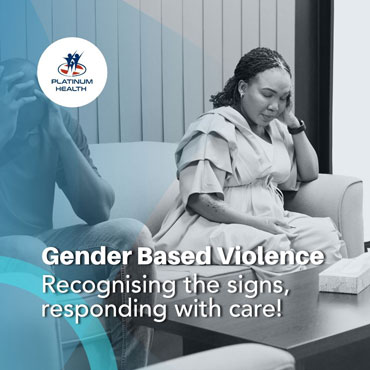
Gender Based Violence

Everyone deserves to feel safe, valued and respected. Yet abuse can exist behind familiar doors and everyday routines, often without obvious outward signs. A thoughtful conversation, a willingness to listen and knowing where to find help can make a meaningful difference. Addressing gender-based violence begins not with judgement, but with recognising harm and responding with care.
Understanding what abuse can look like
Gender-based violence is harm directed at someone because of their gender. It is not limited to physical injury: intimidation, humiliation, isolation and financial control can also be forms of abuse. In relationships, these behaviours often undermine a person’s freedom and sense of safety. Disagreement is not the same as abuse. Fear, coercion and the use of power to control another person are important warning signs. No one needs to wait for physical violence before seeking support, and responsibility always rests with the person causing harm.
Recognising the warning signs
Abuse may become noticeable through controlling behaviour or changes in someone’s daily life. Signs worth taking seriously include:
- Control presented as concern: demanding passwords, repeatedly checking someone’s whereabouts, monitoring messages or deciding whom they may see.
- Isolation: discouraging contact with friends and family, preventing attendance at activities or making it difficult to work or study.
- Emotional intimidation: repeated insults, humiliation, threats, extreme possessiveness or damage to belongings intended to frighten.
- Financial restriction: taking earnings, withholding money for essentials or preventing independent access to finances.
- Physical harm or threats: pushing, hitting, restraining someone or threatening to hurt them or people close to them.
- Changes in everyday behaviour: seeming afraid of a partner’s reaction, becoming withdrawn, repeatedly cancelling plans or having unexplained injuries.
Changes in behaviour can have many explanations and are not proof of abuse. They are a reason to check in gently, not to make accusations or investigate someone’s private life. Equally, someone may appear confident and continue their usual routines while experiencing harm.
Responding with care, not pressure
If you are concerned about someone, choose a private moment when it is safe to talk. Offer practical help such as contacting a support service together or accompanying them to an appointment. If there is immediate danger, contact emergency services rather than placing yourself or others at risk.
Reaching out for support
If any of these signs feel familiar in your own life or someone you know, you do not have to work out the next step alone. A trained social worker or a qualified professional can help you explore your options and plan for your safety.
If you need help, reach out to our Mental Health Services 014 590 1700 to offer you counseling and support.
Remember: No one should suffer in silence. Seeking support is a sign of strength, not weakness.