
Health Blog
How Mining Clinics Empower Local Communities
Mining plays a vital role in sustaining households and strengthening local economies across South Africa, particularly in rural communities. Ensuring accessible and affordable, high-quality healthcare for mining workers and their families in these areas is essential. It supports their health and well-being, addresses occupational, environmental, and mental health needs, and protects the long-term vitality of the workforce.
Access to quality medical services can completely transform a remote town. When healthcare providers establish roots near mining operations, they bring much-needed stability and resources to people who might otherwise face long journeys for basic treatments. Local clinics become hubs of community support, creating jobs and inspiring the next generation of medical professionals.
This post explores how mining clinics empower local communities and highlights the Platinum Health Medical Scheme’s specific role in driving this positive change.
The Importance Of Mining Clinics
Strong healthcare systems form the bedrock of resilient communities.
Addressing critical gaps in access to care in remote and underserved areas is therefore paramount to enabling sustainable socioeconomic development. Ultimately, establishing strong rural healthcare systems for mining workers enables sustainable progress that endures well beyond the life of the mines themselves.
By investing in local medical infrastructure, mining operations ensure that nearby residents have immediate access to life-saving treatments and preventative care.
This proactive approach reduces the burden of disease, keeps families healthy, and enables the local economy to operate at its full potential.
Platinum Health Medical Scheme’s Influence
1) Hiring Local Staff
Platinum Health Medical Scheme actively hires and develops doctors, nurses, and specialists from surrounding towns to staff the local clinics near mining operations. This approach not only recognises the value of ‘homegrown’ talent in delivering culturally sensitive, trusted care, but also creates pathways for young people in rural communities to enter the healthcare profession.
2) Providing Local Mining Clinic Staff Support
The Scheme supports this local talent with mentorship and ongoing medical education. It offers systems like peer networks, work-life balance, job security, and special initiatives for women in healthcare and leadership.
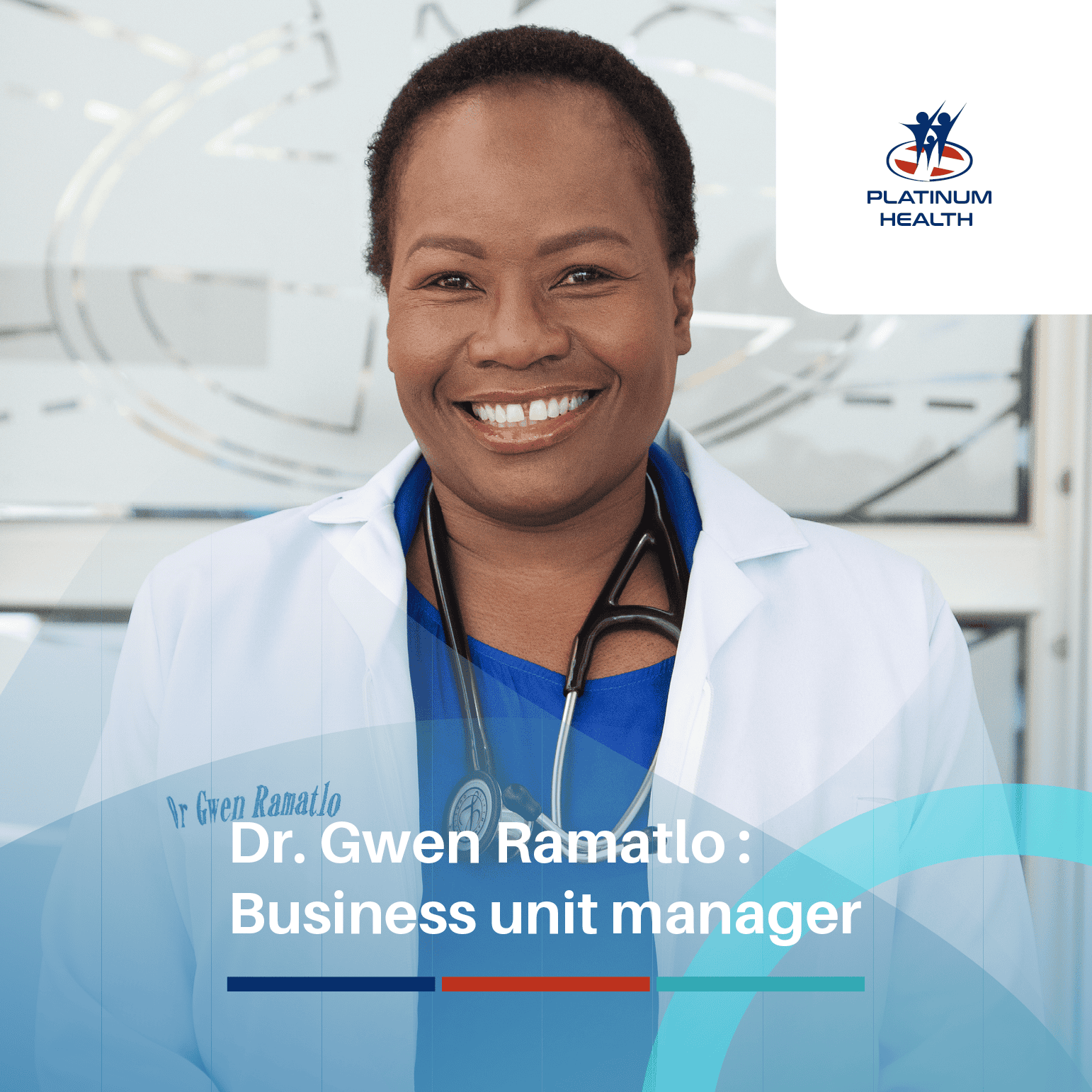
Dr Gwendoline Ramatlo, Business Unit Manager at Platinum Health Medical Centre in Rustenburg, notes that since joining Platinum Health in February 2011, the organisation has played a central role in her growth, supporting her education from university.
“The Scheme recognised my leadership potential early and provided support to nurture it. Through training, exposure to different aspects of healthcare management, and guidance from senior professionals, I’ve been able to develop into a confident healthcare provider who understands both patient care and the unique needs of the mining community,” she says.
Meanwhile, Senior Professional Nurse, Nthabiseng Diphikwe, adds that the Scheme has supported her professionally in several meaningful ways.
“Firstly, Platinum Health took me from the streets, training me from auxiliary to professional nurse. I am who I am today because of Platinum Health, having been promoted to senior professional nurse last year. Thanks to all the training, clinical updates and competency-based skills programmes provided, my clinical decision-making skills have been strengthened, improving the quality of care I provide to my patients.”
Key Benefits Dr Ramatlo & Sister. Dipkiwe Outlines
When asked about the unique benefits of working in a clinic serving their own community, these professionals outlined several key advantages regarding patient relations.
“Patients feel more comfortable being assisted by people who understand their language and background. This makes them more open and honest, allowing us to have a meaningful and trustworthy connection, while at the same time giving back to the community that raised us,” adds Diphikwe.
Dr Ramatlo indicates that for her, understanding the local culture and challenges has helped her build strong patient trust and deliver patient-centred care.
“I’ve been privileged to contribute to community outreach programmes, particularly in TB and HIV initiatives, where we achieved significant milestones. These included a decline in TB infection rates, and achieving the UNAIDS programme’s target of aiming for 95% of people living with HIV to know their status, 95% of those diagnosed to receive antiretroviral therapy (ART), and 95% of those on ART to achieve viral suppression.”
The mining environment does come with complex health challenges, she continues, including chronic and respiratory conditions, but Platinum Health provides the resources and support needed to manage them effectively.
“Patients appreciate being treated by professionals who understand their dynamics. This reassures them, strengthens communication, and, ultimately, improves health outcomes,” she states.
Sister Diphikwe agrees, noting that the Scheme reinforces ethical standards, confidentiality policies and professional conduct guidelines, helping ensure that every patient receives fair, consistent, and respectful care.
So, then, how do patients respond when they know they are being treated by professionals from their own area?
Dr Ramatlo says that serving this community through Platinum Health has been a rewarding and meaningful journey: “It has demonstrated to me first-hand how accessible and compassionate healthcare is able to truly transform lives.”
For Sister Diphikwe, it creates a ‘domino effect’: “When you are treated by someone from your own community, it leads to increased trust between patient and healthcare provider, which leads to better communication, which in turn leads to better diagnosis and treatment,” she concludes.
3) Implementing Technology That Connects Care to the Community
A critical part of both healthcare services and community involvement is ensuring effective connectivity between facilities and members.
To this end, Platinum Health Medical Scheme has implemented low-earth orbit (LEO) satellite connectivity at its critical healthcare facilities to address long-standing infrastructure connectivity challenges in remote mining regions.
“LEO technology allows our clinicians to access patient records, update files, and provide the treatment in real time, without delay or disruption. It also supports digital engagement, enabling members visiting our facilities to access free guest Wi-Fi to communicate with family or download the Platinum Health mobile app. This enables members to access their digital membership cards, view benefits and interact with their health records,” says Quantin van Rensburg, CIO of Platinum Health.
Using technology in this manner empowers the healthcare systems of historically marginalised communities and has a multitude of positive community and economic development benefits. Clinic staff are viewed as visible role models in mining towns; local economies are stimulated through stable employment, and community trust and better health outcomes are encouraged.
The ripple effects of employing local healthcare staff include social cohesion, local economic growth, and role modelling for the youth.
A Healthier Future for Mining Towns
Mining clinics provide far more than just immediate medical relief.
They actively empower local communities by creating jobs, encouraging homegrown talent, and implementing modern technology to bridge the digital divide. By investing heavily in local healthcare for mining workers, these facilities build resilient towns that can thrive for the long term.
Platinum Health Medical Scheme is proud to lead the way in community-focused medical support.