
Health Blog
Closed Medical Schemes: The Foundation Of Health for SA’s Miners
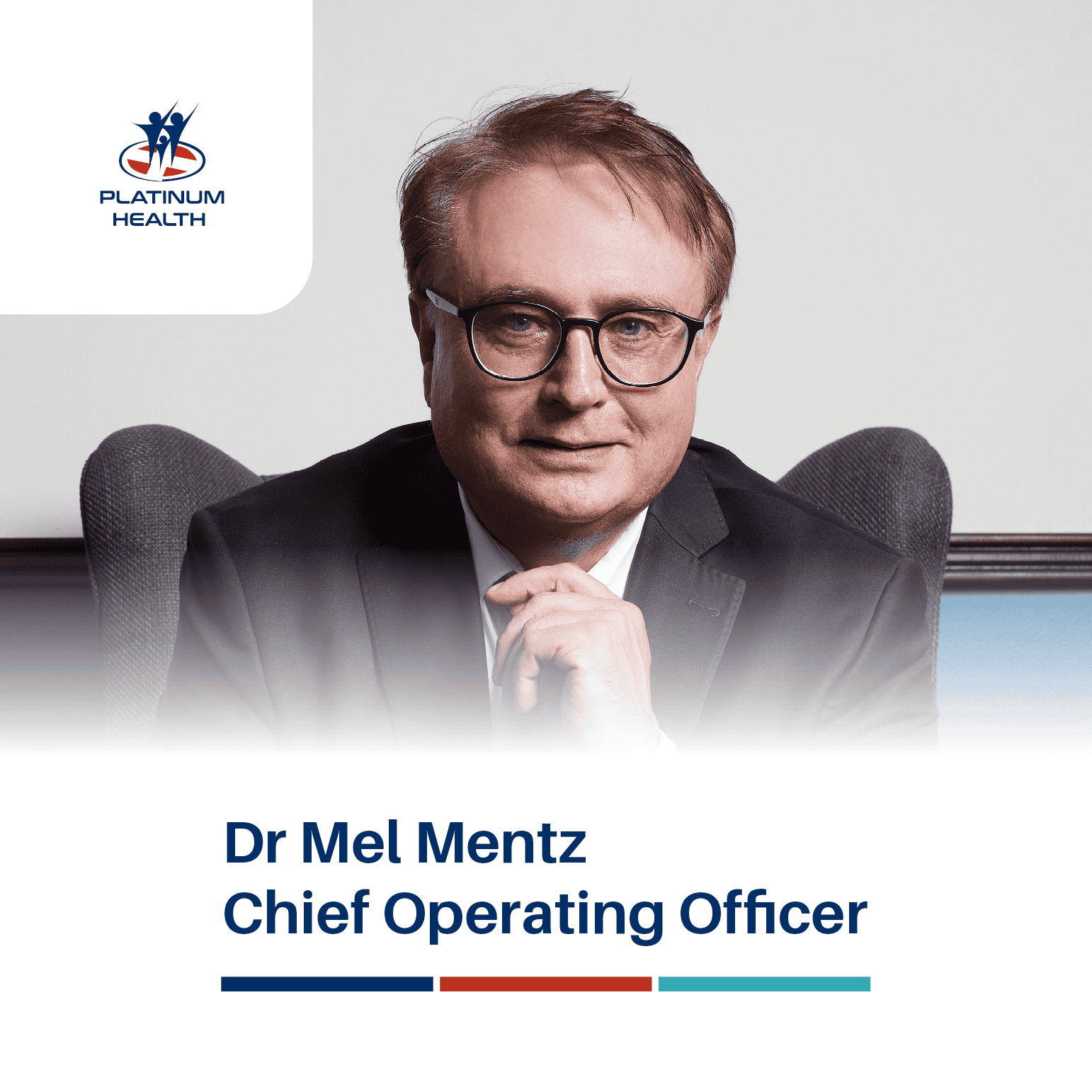
Opinion Piece by Dr Mel Mentz, Chief Operations Officer for Platinum Health’s Rustenburg Region
The mining industry exposes workers to a myriad of on-site dangers and occupational diseases every single day. From physical hazards to environmental risks, the challenges are significant. This is why having a medical scheme and healthcare service provider that focuses entirely on the unique healthcare needs of mine workers can make all the difference when it counts.
Closed medical schemes are often better placed to meet the specific needs of their members, particularly when services are integrated with primary care and occupational health. In a closed scheme, there is typically a far deeper understanding of the needs of the defined group, allowing the scheme to tailor benefits specifically to meet those needs.
This article explores why this model is critical for the long-term health and safety of South Africa’s mining workforce.
What Is A Closed Medical Scheme?
A closed medical scheme is restricted to a specific employer or industry, unlike open schemes, which are available to the general public. Because membership is restricted to a defined group, the scheme can develop a profound understanding of that group’s specific health profile. This allows for the tailoring of benefits that directly address the members’ unique needs.
A closed scheme that also offers primary care and occupational health is better positioned to understand the patient’s full history, the environment in which they work, and the risks associated with poor control of chronic conditions.
It is not a one-size-fits-all approach; it is specialised care for a specialised workforce.
Why Is A Closed Medical Scheme A Good Foundation To Have For South African Miners?
The value of this model becomes clear when looking at the specific risks miners face. In the mining industry, there may be a higher incidence of tuberculosis (TB), occupational lung diseases, or allergies to platinum salts.
A general practitioner (GP) in an urban area might not automatically refer a patient for X-rays if the patient presents with a cough. However, medical practitioners serving mine workers specifically will be very familiar with the symptoms of these occupational diseases and will immediately screen for them.
This industry-specific knowledge is the foundation of effective care for miners.
Benefits That Closed Medical Schemes Offer Miners in South Africa
1. Screening for early diagnosis
A closed medical scheme that offers occupational health services requires periodic screenings. This gives the scheme a vital opportunity for early detection, diagnosis, and treatment.
With a full, compulsory occupational health assessment, we check:
- vitals
- blood pressure
- cholesterol
- blood glucose
- urine
- hearing
- lung function
- chest x-rays
- HIV screening
Depending on the patient’s risk profile, we might also include a heat tolerance test to determine the patient’s fitness to work underground.
This battery of tests allows the medical scheme to detect a number of occupational conditions, as well as non-communicable and communicable diseases, at an early stage. Patients can then be referred for appropriate treatment immediately.
When someone experiences a health challenge, it is easier for us to identify it quickly, initiate intervention, or even engage relevant stakeholders in the mines.
These interventions might include identifying alcohol and drug abuse and linking the patient to the appropriate mental health support. It could also involve engaging the occupational health practitioner to ensure patients being treated for cancer are not exposed to conditions their bodies cannot cope with.
We try to prevent long-term complications through early detection and by monitoring compliance with prescribed treatment.
When primary care, occupational health, and medical scheme services are integrated, you achieve a single view of the patient.
Having to undergo an annual medical event though the patient is healthy allows for the early diagnosis of any problem. This is then flagged in their health profile to ensure they receive appropriate treatment and the condition is properly controlled. That offers huge benefits.
2. Integrated health and wellness
Closed medical schemes that partner with employers on wellness programmes are also well-positioned to improve the health of workforces.
Platinum Health’s HIV awareness programmes, screening, treatment, and support are a good example. We have driven our HIV programmes for many years, and we have made good progress.
Currently, 95% of all our members know their HIV status, with approximately 11,500 members on treatment.
3. In-house resources, channel model to control costs
A key advantage of a closed scheme with a Staff Model Health Maintenance Organisation (HMO) model is that the costs of health service delivery can be better managed.
Where the closed scheme appoints its own general practitioners, dentists, psychologists, optometrists, radiographers, physiotherapists, and audiologists, and manages its own pharmacies, clinics, and hospitals, it can optimise cost efficiencies.
Closed schemes with a focus on primary healthcare, screening, and careful management of chronic conditions can also better manage costs while improving patient outcomes.
We see that more and more of our members are realising the benefits of having a medical scheme and registering their dependants so that they can enjoy better healthcare. Benefits like maternity cover are a huge advantage to the members if they intend to have a family.