

Health Blog
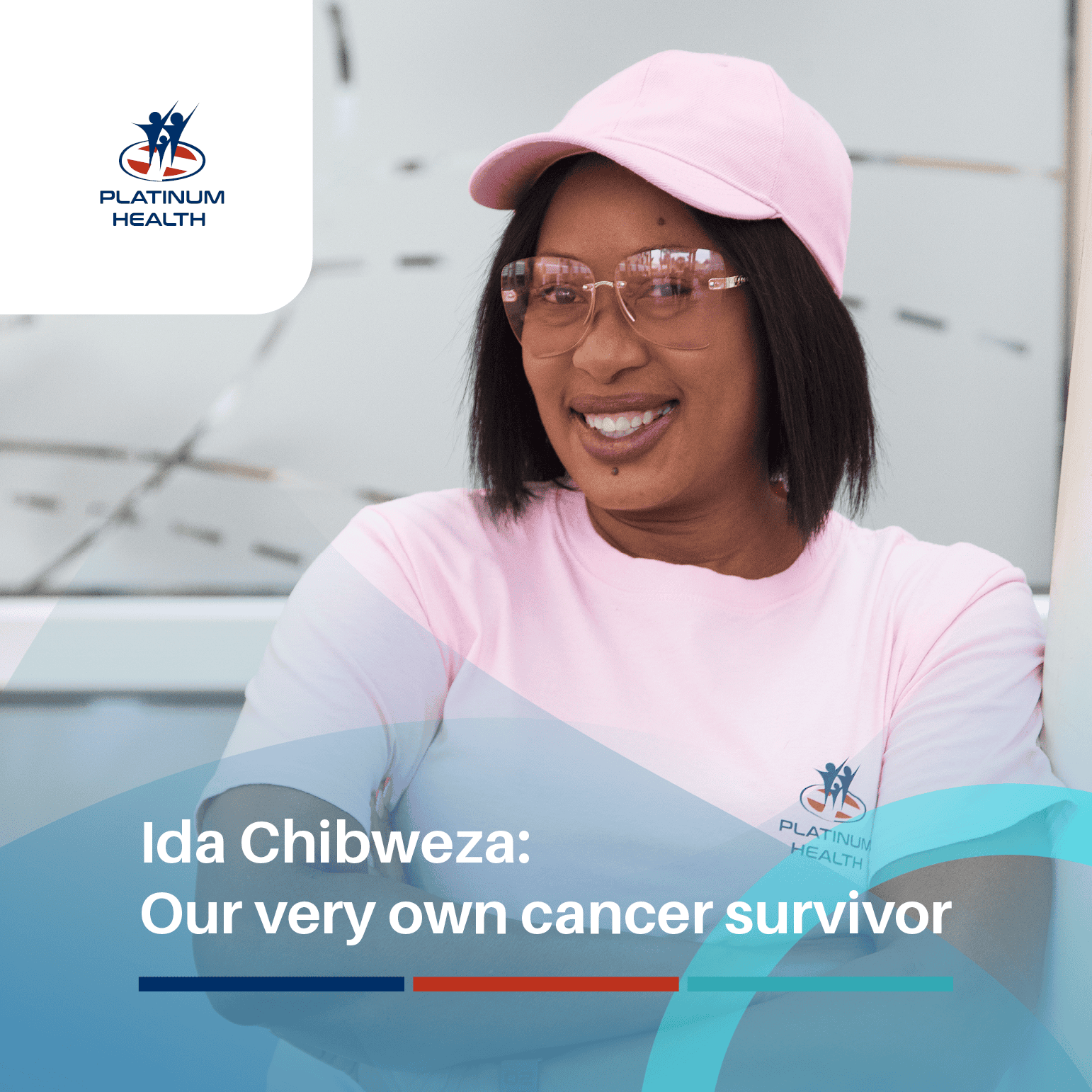
A Breast Cancer Story: Ida’s Journey of Strength
Cancer doesn’t announce itself politely. It doesn’t wait for the right moment or for you to be ready. For Ida Chibweza, her breast cancer diagnosis arrived just as she was looking forward to building a future. One that included marriage, family, and the fulfilment of long-held dreams.
But life had other plans.
What followed was a three-year journey through treatment, surgery, and self-discovery that would redefine what strength really means.
This is Ida’s breast cancer patient story. A real-life account of resilience, hope, and the power of finding light in the darkest moments.
Ida Chibweza | A Breast Cancer Story
Just before Covid struck, Ida Chibweza was approaching 40, handling a high-pressure job, in a relationship and looking forward to a future in which she might one day marry and have a family.
But her life plans took a sharp detour when she was diagnosed with breast cancer and began a journey that changed her life and helped her discover her inner strength.
Ida, now an Executive Personal Assistant at Platinum Health Medical Scheme, says cancer was the furthest thing from her mind until she discovered a lump in her right breast one day.
“Pink Drive, a mobile healthcare screening initiative, was having a campaign, so I went for a free mammogram just to check. The results came back negative. But it still worried me, so over the course of the next year, I read online articles about the signs of breast cancer. I started developing some of the symptoms like dimpling and scaling of the skin.”
Now increasingly worried, Ida consulted a breast density clinic in Midrand for a sonar, where the doctor expressed concern about the shape of the lump and advised her to have a biopsy done.
“But it was expensive, and I didn’t have medical aid or savings, so I went to Tembisa hospital for the biopsy,” she says.
She found the state healthcare practitioners sympathetic and helpful. But, after an anxious two-week wait, her results were inconclusive, and she had to undergo another excision biopsy and wait a further two weeks.
“They confirmed it was cancer, and my breast cancer journey began.”
How Ida Coped With Breast Cancer
“I just broke down and cried. The minute they tell you that you’ve got cancer (the C-word), you just start seeing yourself dying. I was devastated. You feel your whole life ends that day. You can’t look for a job, you can’t plan ahead, you can’t do anything because now you are faced with this grave disease that requires all your attention, and you really don’t know what to do. I lived alone, and I had no immediate family with me as they are all outside the country. But I had to stay hopeful and find out what my options were.”
Ida soldiered on, determined to do whatever it took to fight for her health.
Coping with breast cancer when you’re alone requires a different kind of courage. There were no family members nearby to hold her hand during appointments or remind her to take her medication. Every decision, every fear, every moment of doubt, she faced them on her own.
Yet she chose hope over despair.
Ida’s Breast Cancer Treatment Journey
Her treatment started at the breast clinic at Charlotte Maxeke Johannesburg Academic Hospital, where she was told what her treatment options were.
“My treatment plan was to start with surgery. A total mastectomy. And the next stage would be 12 rounds of chemotherapy, 35 sessions of radiation (this is done daily), and then hormone therapy for 10 years.”
The initial treatment was carried out at State hospitals, but she later changed jobs and joined Platinum Health, where she became a Platinum Health Medical Scheme member.
Over the course of three years, Ida underwent extensive and costly treatment as well as 13 surgeries, including a mastectomy. While reconstructive surgery would not have been offered by a State hospital, Platinum Health Medical Scheme covered the costs of reconstruction, which gave Ida a sense of her womanhood back.
“I’d been walking around with a totally flat chest on the right, and a deformed breast on the left. It shows through your clothes, and you can’t wear pretty tops or dresses. And when I started feeling better and started considering having a relationship again, I’d have to explain what I was going through so my breasts didn’t come as a shock,” she says. “But each time you made your story known, the potentials would disappear,” she laughs. “The reconstruction helped me regain my confidence and self-esteem.”
Belonging to a medical scheme has also enabled her to keep a close watch on her health.
Ida says, “Until December last year, I had been seeing my oncologist once every three months, and as of the beginning of this year, the doctor moved my appointments to once every six months. These are covered by the medical scheme, including the hormone therapy that I need to be on for ten years.”
How She Found Her Inner Strength
For Ida, the strength to stay positive and hopeful had to come from within. She forced herself to maintain a positive outlook and made every effort not to dwell constantly on her health.
“My hopes of ever having a family had been shattered because of the hysterectomy, and the fear of dying was always present. There were times when I sank into depression. I spoke to my Oncologist, who prescribed antidepressants.”
Being open with her doctors about how she was feeling was important. Her doctors helped her work through the feelings and manage the depression, helping her to normalise ways to deal with it without any mental health stigma.
Ida says her cancer journey showed her she is far stronger than she once thought and didn’t let herself become demotivated when things didn’t go as planned:
“I used to be someone who was scared of little things. I ate clean, I maintained a healthy lifestyle, and I wasn’t reckless. I would freak out at the smallest of things. And now, after this whole cancer journey, I’ve realised that I actually have so much strength.”
“I could have easily broken down. I could have easily given up the fight. There was no one to check if I was taking treatment, if I was following through with my appointments. I had to be strong for myself, and I did that all by myself.”
“I tried to keep myself distracted from what was happening to my body. I lost weight, I lost my hair, and my nails fell off. Even my skin colour changed (especially on my hands and feet, they turned ‘black’ inside and out) due to chemo. But I kept myself motivated by shopping for clothes and dressing nicely. I also started trying to keep my mind off things by working harder, reading a lot, and I started running. Running de-stresses and energises me. I am also an avid traveller. It boosts my spirit.”
By making a point of dressing up and feeling good, practising self-care and self-love, and taking pride and joy in the small things, Ida found she could tip the scales in her favour mentally.
A Message of Hope and Breast Cancer Awareness
Ida notes that she had no history of cancer in her family: “Cancer can happen to anyone, whether there’s family history or not; it can just happen.
So, women should check themselves, know the signs of breast cancer, and ideally have medical aid and some form of savings to ensure they get the necessary treatment as early as possible,” she advises.
“For any women starting their breast cancer journey, I encourage you to stay positive and hopeful that the treatment that they’re receiving will work.”
Her story is a powerful reminder that breast cancer awareness isn’t just about statistics or pink ribbons. It’s about real women facing real fears and finding real strength. Early detection saves lives, and support, whether from medical professionals, loved ones, or even from within, makes all the difference.
As the saying goes: “You never know how strong you are until being strong is your only choice.” Ida chose strength. And in doing so, she discovered a version of herself she never knew existed.