

Health Blog
Mental health in mining: addressing the often-hidden risk impacting well-being and safety
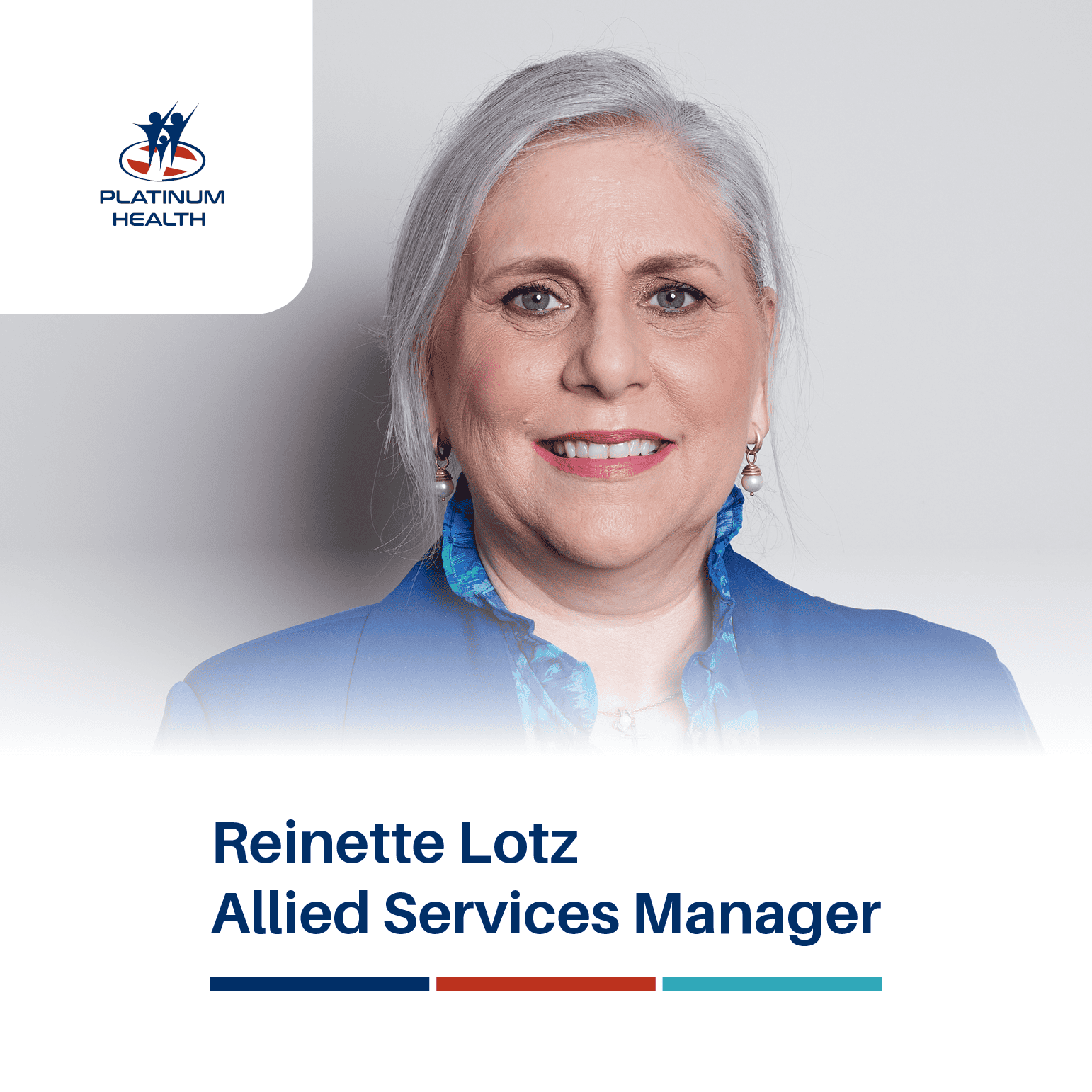
An opinion piece by Reinette Lotz, Allied Services Manager at Platinum Health Medical Scheme
Mental health has come a long way in the past 20 years. Where mental illness was once hidden or frowned on, society now accepts it as a common and often treatable condition.
According to the WHO, in 2019, 1 in every 8 people, or 970 million people around the world, were living with a mental disorder, with anxiety and depressive disorders the most common. Left undiagnosed and untreated, mental health conditions can prove debilitating or could seriously impact personal lives and work.
Prioritising mental health support in mining operations – through awareness, counselling and access to care – is not only a moral imperative but a strategic investment in the sustainability of the workforce and the resilience of the communities that depend on them.
In this article, let’s take a look at mental health in mining and address how it impacts the well-being and safety of our mine workers in South Africa.
The Importance Of Mental Health in The Mining Industry
The importance of mental health is emphasised in the National Mental Health Policy Framework and Strategic Plan 2023–2030 by the Department of Mineral and Petroleum Resources, as well as organised labour.
The Department of Minerals and Petroleum Resources has also issued a directive to include regular mental health screening at occupational centres to ensure early detection. Interventions to improve the safety of women in mining are also among their 2034 milestones, as the industry strives to realise its ambition of Zero Harm to all.
Common Mental Health Concerns in the Mining Industry
The mining sector is characterised by high-stress and potentially hazardous environments that can take a toll on workers’ mental well-being.
Mine workers are often breadwinners in their households, and their psychological well-being directly affects the stability of their families and the broader social fabric of their communities.
In the mining sector, much like in the broader population, the most common mental health issues we see are depression, substance abuse, anxiety and relationship problems.
Coming to the fore in recent years are also issues like bullying, harassment and victimisation, while many may also suffer from grief, trauma or post-traumatic stress disorder (PTSD).
A recent study in the South African Journal of Psychiatry assessed 927 mine workers and found that 31% experienced moderate to severe psychological distress — indicators consistent with symptoms of anxiety and depression.
The research also highlighted a strong association between hazardous alcohol use and mental health distress.
How to Identify Mental Health Conditions
It must be noted that an employee on treatment for a mental health condition is much less of a risk than an employee who has not been identified and treated.
For example, concentration and memory are affected by depression. So if you work with equipment and there’s a lapse in concentration, it could cause a mining accident.
Here are a few ways to identify potential mental health concerns:
- Changes in behaviour: Increased irritability, aggression, or withdrawal from colleagues.
- Performance issues: A sudden drop in productivity, frequent mistakes, or difficulty concentrating on tasks.
- Attendance problems: Increased absenteeism or frequent late arrivals without valid reasons.
- Physical symptoms: Complaints of constant fatigue, headaches, or sleep disturbances.
Mines now recognise the importance of treating mental health conditions like depression, anxiety, and substance abuse. Treatment strategies often involve early identification through health screenings and accessible support programs.
Compulsory Health Screenings
One key treatment method involves comprehensive and compulsory periodic screenings. As part of a closed scheme tied to occupational health services, these screenings help to identify and treat both physical and mental health conditions early before they escalate.
Employee Assistance Programmes (EAPs)
EAPs are crucial for treatment, providing mine workers with 24/7 access to counsellors, making support convenient and accessible. These programmes also play a vital educational role by normalising mental health issues, reducing stigma, and highlighting the importance of seeking treatment.
The Referral Process
Treatment often begins through a referral. Many mine workers self-refer after learning about available services through EAP campaigns. Referrals also come from:
- GPs at the mines: Who identify symptoms during consultations.
- Mine HR or management: Who notice issues with work performance, lateness, or absenteeism.
These employees are typically referred to EAP social workers for an initial assessment. If more specialised treatment is needed, they are escalated to a psychologist or psychiatrist.
Our pragmatic approach to mental health treatment for mine workers in South Africa
Our pragmatic approach is designed to deliver the best possible outcomes for patients.
For example, patients with schizophrenia struggle to adhere to taking medication daily, so we may prescribe injectables to improve treatment outcomes. We believe that if you treat mental health conditions early and appropriately, you ultimately reduce the need for hospital admission.
Mental health treatment can be costly, so many medical schemes limit their benefits to only the prescribed minimum benefits, such as a 21-day in-hospital treatment or a 21-day programme in a rehab facility, or for chronic conditions such as bipolar depression.
When comparing mental health services, it’s important to check if all mental health conditions are covered and if patients can be treated on an outpatient basis.
We find it is not always beneficial for patients to go to mental health institutions because of personality factors. In the mining environment, Platinum Health Medical Scheme seeks alternative treatment options before hospital admission to help normalise the condition and remove the stigma of the patient being removed from their family and community for treatment.
Our in-house mental health services enable close collaboration and overcome the silos and disconnects that can occur in private practice: occupational health teams collaborate with our medical teams, our social workers can speak to the GPs and the psychologists, and they can speak to the psychiatrists to develop an individualised treatment plan. This also fosters more holistic approaches to healthcare, with greater accessibility and better outcomes for patients.