

Health Blog
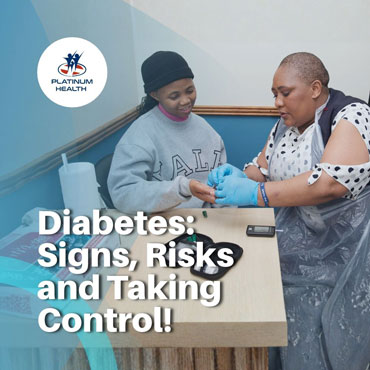
Diabetes: Signs, Risks and Taking Control!

Diabetes is a serious health condition, but with early diagnosis, appropriate treatment and the right support, it can be managed. This Diabetes Awareness Month, Platinum Health explores what you need to know about diabetes, how to recognise the warning signs and the practical steps you can take to protect your long-term health.
Diabetes is a condition that affects millions of people worldwide, yet many people live with it for years without knowing they have it. Others may recognise the name but misunderstand what it means, how it develops or how it can affect their health over time.
For working adults and their families, understanding diabetes is particularly important. Busy schedules, work commitments and family responsibilities can make it easy to put personal health checks on hold. But, recognising the early warning signs and seeking medical advice when necessary can make a big difference to your health and quality of life.
When we eat, our bodies break down carbohydrates into glucose, which enters the bloodstream. The hormone insulin, produced by the pancreas, helps the glucose move from the bloodstream into the body’s cells, where it is used for energy. In people with diabetes, the body either does not produce enough insulin or cannot use it effectively. As a result, glucose builds up in the bloodstream instead of being properly used by the body.
Over time, consistently high blood glucose levels can damage blood vessels and nerves, increasing the risk of serious health complications.
The important thing to understand is that diabetes is manageable. With the right medical care, treatment plan and lifestyle support, many people living with diabetes can lead active, fulfilling lives and reduce their risk of complications.
Type 1 diabetes
Type 1 diabetes is an autoimmune condition in which the body’s immune system attacks the cells in the pancreas that produce insulin. As a result, the body produces little or no insulin. It can develop at any age and is not caused by eating too much sugar or having an unhealthy lifestyle. People with Type 1 diabetes need insulin every day to survive and must work with their healthcare team to manage their blood glucose levels.
Currently, Type 1 diabetes cannot be prevented through lifestyle changes.
Type 2 diabetes
Type 2 diabetes is the most common form of diabetes. It develops when the body becomes resistant to insulin and, over time, may not produce enough insulin to maintain healthy blood glucose levels.
Several factors can contribute to the development of Type 2 diabetes, including:
- A family history of diabetes.
- Increasing age.
- Physical inactivity.
- Carrying excess weight.
- Certain other health conditions and metabolic risk factors.
Lifestyle and environmental factors can influence risk, but genetics and other factors also matter. Developing Type 2 diabetes is not simply a matter of personal choice or a lack of willpower. The encouraging news is that Type 2 diabetes can often be prevented or delayed, particularly in people at increased risk. For those already diagnosed, appropriate treatment and lifestyle changes can help manage the condition and reduce the likelihood of complications.
Gestational diabetes
Gestational diabetes develops during pregnancy when blood glucose levels become elevated. It requires monitoring and treatment because it can affect both the mother and the baby. Women who have experienced gestational diabetes also have an increased risk of developing Type 2 diabetes later in life. Follow-up care after pregnancy is therefore important.
Common warning signs include:
- Increased thirst: Feeling unusually thirsty, even after drinking water.
- Frequent urination: Needing to urinate more often than usual.
- Persistent tiredness: Feeling unusually fatigued or lacking energy.
- Unexplained weight loss: Losing weight without deliberately trying to do so.
- Blurred vision: Experiencing changes in your eyesight.
- Increased hunger: Feeling hungry more frequently than usual.
Some people may also experience recurrent infections or wounds that take longer than expected to heal. These symptoms do not automatically mean that you have diabetes, as they can occur with other health conditions. But, they should not be ignored.
Type 2 diabetes can cause few or no noticeable symptoms for years. This means that someone can have elevated blood glucose levels without realising it.
If you recognise any of these warning signs, speak to your healthcare professional. Do not wait for symptoms to become more severe before seeking advice.
If symptoms develop suddenly, particularly at the same time as vomiting, abdominal pain, rapid breathing or confusion, seek urgent medical attention. These can be signs of a serious diabetes-related emergency.
Your risk of Type 2 diabetes may be higher if you:
- Have a parent, brother or sister with diabetes.
- Are physically inactive.
- Carry excess weight, particularly around the abdomen.
- Have high blood pressure or abnormal cholesterol levels.
- Have previously been diagnosed with pre-diabetes, meaning your blood glucose is higher than normal but not yet in the diabetes range.
- Have had gestational diabetes.
- Are getting older.
Having one or more risk factors does not mean that you will necessarily develop diabetes. Equally, not having these risk factors does not guarantee that you will never develop it. The only way to know whether you have diabetes is through appropriate medical testing. Early detection allows you to take action sooner and can help reduce the risk of long-term complications.
The key is to focus on sustainable habits rather than trying to change everything at once.
1. Make balanced food choices
Healthy eating does not have to mean following an expensive diet or giving up every food you enjoy. Aim to eat balanced meals that include vegetables, suitable portions of wholegrains and other high-fibre foods, and sources of protein such as beans, eggs, chicken or other lean proteins. Try to limit sugary drinks and reduce your intake of foods high in added sugar, excess salt and unhealthy fats. Portion sizes also matter. Your healthcare professional or registered dietitian can help you develop an eating plan that suits your needs, budget and health circumstances. If you already have diabetes, remember that carbohydrates can affect blood glucose levels, but you do not necessarily need to eliminate them completely. Your individual nutritional needs should be discussed with your healthcare team.
2. Find ways to move more
Regular physical activity helps the body use insulin more effectively and supports overall health. You do not necessarily need an expensive gym membership or complicated exercise programme to get started.
Depending on your health and physical ability, you could:
- Go for a brisk walk.
- Take the stairs when practical to do so.
- Stretch or move around during suitable breaks.
- Enjoy an active hobby with your family.
- Build regular physical activity into your daily routine.
The World Health Organization (WHO) recommends that adults aim for at least 150 minutes of moderate-intensity physical activity each week, where appropriate for their health and abilities. If you have an existing medical condition or are unsure which activities are suitable for you, ask your healthcare provider for guidance.
3. Prioritise routine health checks
Preventative healthcare is an important part of protecting your long-term wellbeing. Regular check-ups can help identify risk factors, including elevated blood glucose and high blood pressure, before they contribute to more serious health problems. Ask your healthcare provider how often you should be screened for diabetes based on your age, medical history and individual risk.
4. Avoid tobacco and seek support when needed
Avoiding tobacco is another important step in protecting your health. If you smoke, speak to a healthcare professional about support to help you quit. Remember that healthy lifestyle choices can reduce the risk of Type 2 diabetes, but they cannot eliminate the risk entirely. Some people develop diabetes despite their best efforts, and they deserve the same care, support and respect as anyone else.
- Take your medication as prescribed
- Monitor your blood glucose as advised
- Keep up with your check-ups
- Make healthy habits part of everyday life
Most importantly, remember that diabetes management is an ongoing process. Some days will be easier than others, and asking for help when you need it is part of looking after yourself.
Possible complications include:
- Heart disease and stroke: Diabetes increases the risk of cardiovascular problems.
- Kidney disease: Damage to the kidneys can affect their ability to filter waste from the blood.
- Eye problems: Diabetes can damage the blood vessels in the eyes and lead to vision loss.
- Nerve damage: Nerve damage can cause pain, tingling or reduced sensation, particularly in the feet.
- Foot complications: Reduced circulation and nerve damage can make foot injuries more difficult to detect and heal, potentially leading to serious infections and, in severe cases, amputation.
These complications are serious, but they are not inevitable. Taking medication as prescribed, attending regular check-ups, monitoring your condition and following your treatment plan can help reduce the risk of complications. If you have diabetes, report new foot wounds, changes in sensation or vision problems to your healthcare provider promptly.
Feeling well is not always a reliable indication that your diabetes is under control. Consistent treatment and regular medical reviews remain essential, even when you have no symptoms.
Know the signs. Understand your risk. Take action. Your health matters.
Important health information:
This article is intended for general educational purposes and does not replace professional medical advice, diagnosis or treatment. If you have symptoms of diabetes or concerns about your health, consult a qualified healthcare professional. If you have already been diagnosed with diabetes, follow your individual treatment plan and seek medical advice before making changes to your medication, diet or exercise routine.
Sources and further reading
The following authoritative resources informed this article:
- World Health Organization (WHO) – Diabetes: Fact Sheet.
- World Health Organization (WHO) – Diabetes: Questions and Answers, updated September 2026.
- International Diabetes Federation (IDF) – South Africa: Diabetes Facts and Figures.
- Western Cape Government, Department of Health and Wellness – Improving Access to Diabetes Care for People of the Western Cape.
practical steps you can take to help reduce your risk of developing type 2 diabetes.